- info@rkwaters.com
- Plot No. L-2122, Road No. 52, GIDC Sachin, Surat - 394230, Gujarat, India.
Chemical Oxygen Demand (COD) Sensor
Advance Industrial Sensors
Chemical Oxygen Demand (COD) Sensor
To assess the organic load of water and wastewater, several standard parameters are used, including COD (Chemical Oxygen Demand), DOC (Dissolved Organic Carbon), TOC (Total Organic Carbon), and BOD (Biochemical Oxygen Demand). Among these, Chemical Oxygen Demand is the most widely applied, as it accounts for the full range of substances capable of chemical oxidation — not just those that are biodegradable. This makes COD a faster and more comprehensive indicator than BOD, and a core parameter in water quality management, effluent monitoring, and regulatory compliance reporting.
SRK's COD sensors use UV absorption technology to deliver rapid, reagent-free measurement, eliminating the chemical handling, waste disposal, and lengthy incubation times associated with traditional laboratory COD testing methods. This makes them well suited to continuous, real-time monitoring in demanding industrial and municipal wastewater environments, where fast, accurate data supports better process control and regulatory reporting.
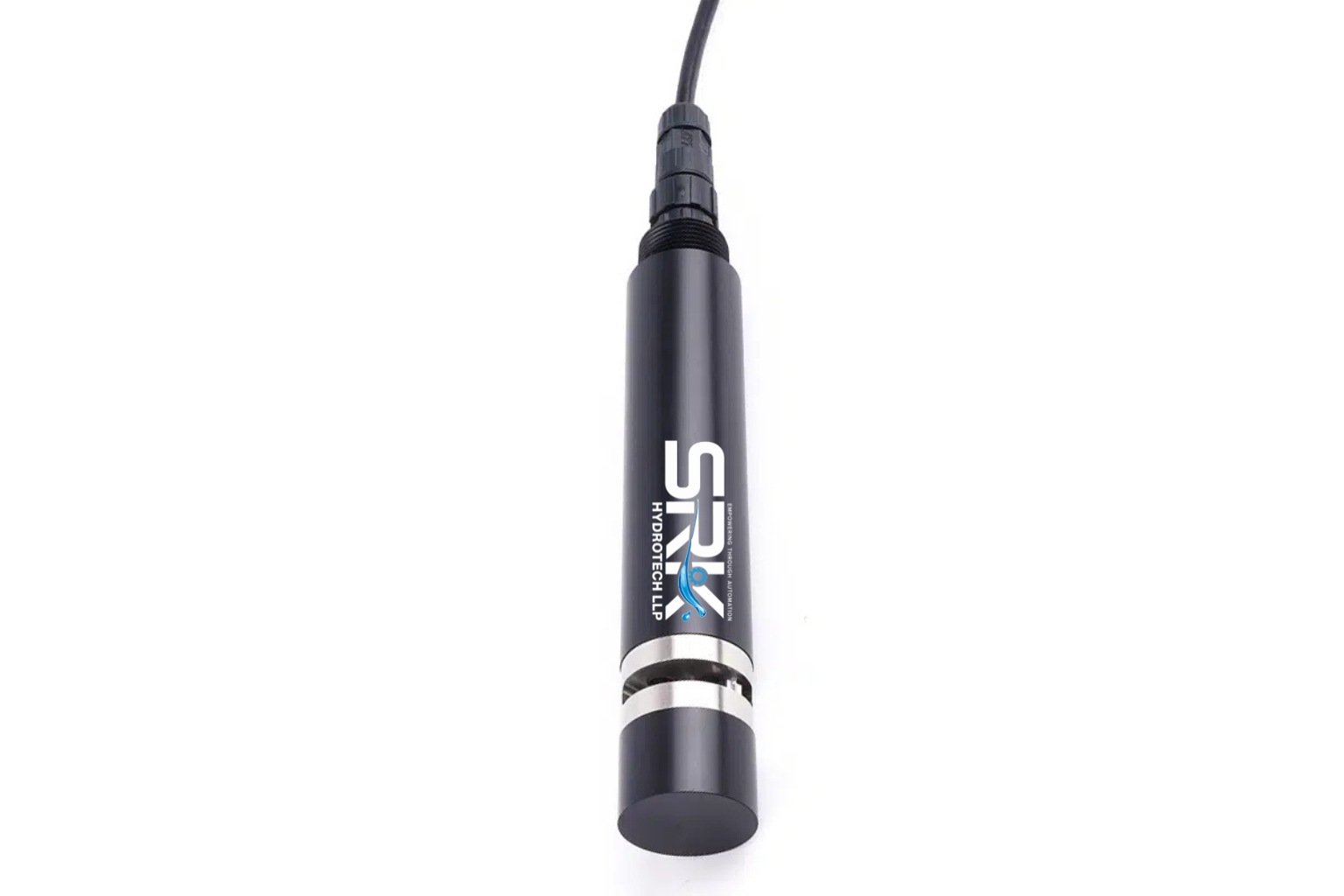
UV COD Sensor
What Is Chemical Oxygen Demand (COD)?
Chemical Oxygen Demand (COD) is the amount of dissolved oxygen required to chemically oxidise organic and inorganic materials present in water, such as petroleum-based compounds and industrial pollutants. Rather than relying on microbial activity, COD testing uses a strong chemical oxidant to break down these substances, delivering results far faster than biological methods like BOD.
COD is one of the most important indicators used to assess the short-term impact of wastewater discharge on the oxygen levels of receiving water bodies such as rivers, lakes, and coastal waters. Elevated COD levels signal a heavier organic pollutant load, which can deplete dissolved oxygen and threaten aquatic ecosystems. As a result, COD monitoring plays a critical role in industrial effluent management, municipal wastewater treatment, and environmental compliance across a wide range of sectors.