
- info@rkwaters.com
- Plot No. L-2122, Road No. 52, GIDC Sachin, Surat - 394230, Gujarat, India.

Hydrostatic Level Sensor
Transmitter
Hydrostatic Level Sensor
Hydrostatic level sensors and transmitters operate on the principle that the hydrostatic pressure of a liquid is directly proportional to its height. Using an isolated diffused silicon sensing element or a ceramic capacitance pressure sensor, the device converts hydrostatic pressure into an electrical signal, which is then temperature-compensated and linearly corrected to produce a standard output signal — typically 4–20mA or 1–5VDC — for accurate, reliable level measurement.
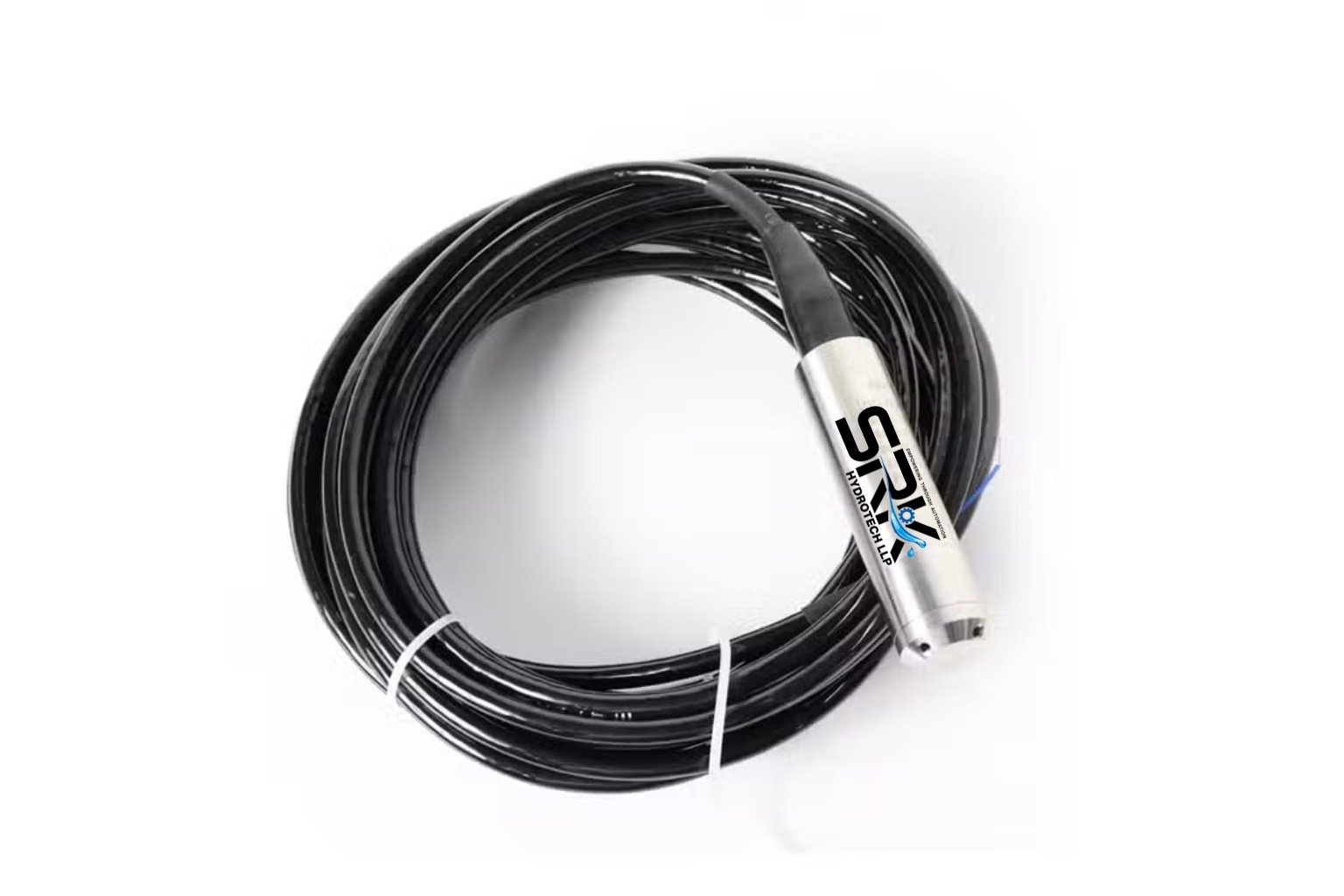
Hydrostatic Water Level Sensor
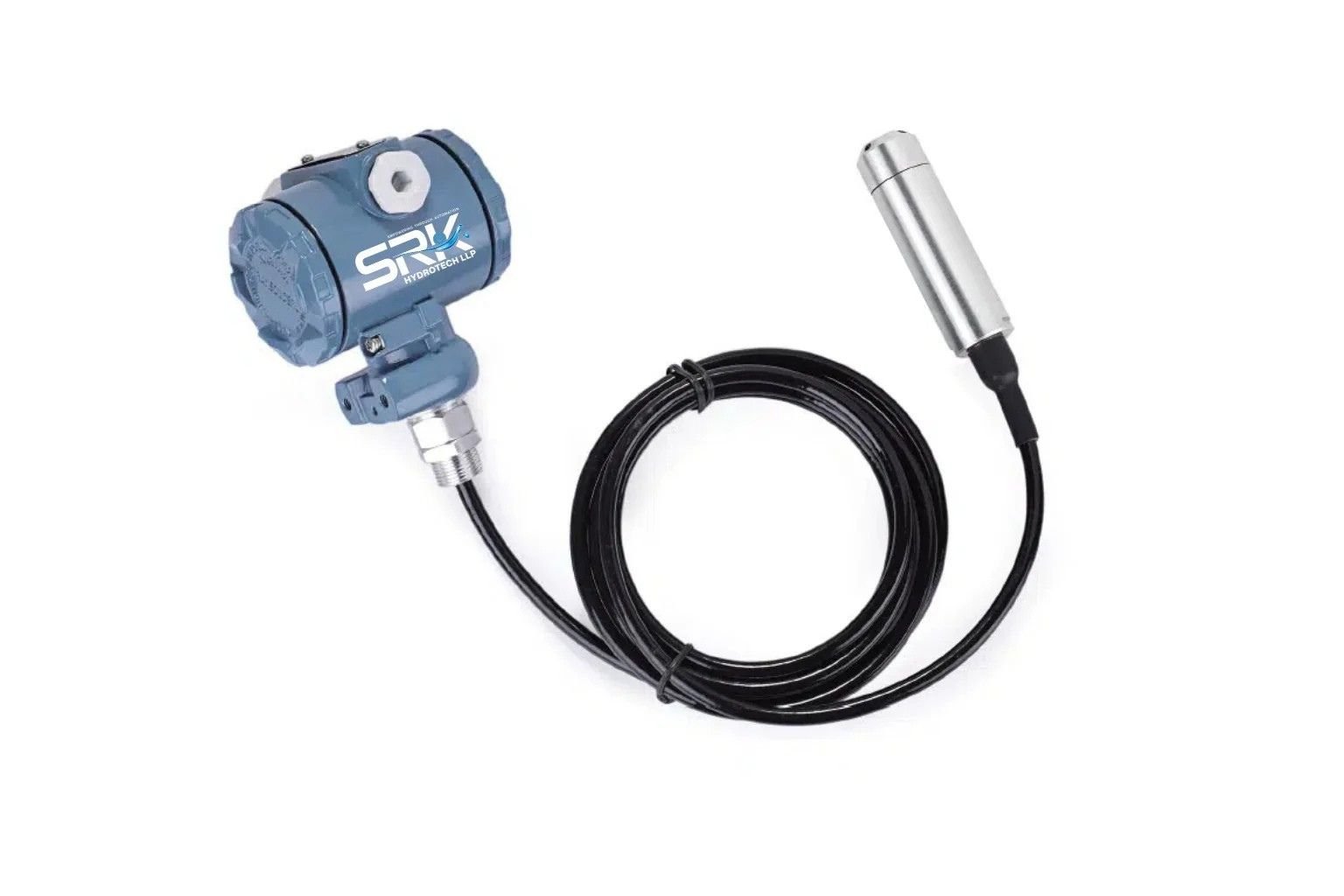
Water Hydrostatic Level Transmitter
Types of Hydrostatic Level Sensors
Differential Pressure
Absolute Pressure
Composite
Silicon Piezoresistive
Ceramic Capacitive
Applications
Measurement of Corrosive Liquids
Large Range of Liquid Level Measurement
Complex Shape Vessels
High-Temperature and High-Pressure Environments