
- info@rkwaters.com
- Plot No. L-2122, Road No. 52, GIDC Sachin, Surat - 394230, Gujarat, India.

Chlorine Sensor
Advance Industrial Sensors
How Does a Chlorine Sensor Work?
Residual chlorine sensors typically operate using electrochemical methods. The sensor contains a working electrode and a reference electrode. As a water sample flows through the sensor, residual chlorine molecules in the water diffuse onto the surface of the working electrode, triggering a redox reaction. This reaction generates a small electric current whose magnitude is proportional to the concentration of residual chlorine present. The sensor amplifies this current signal and converts it into a precise concentration reading.
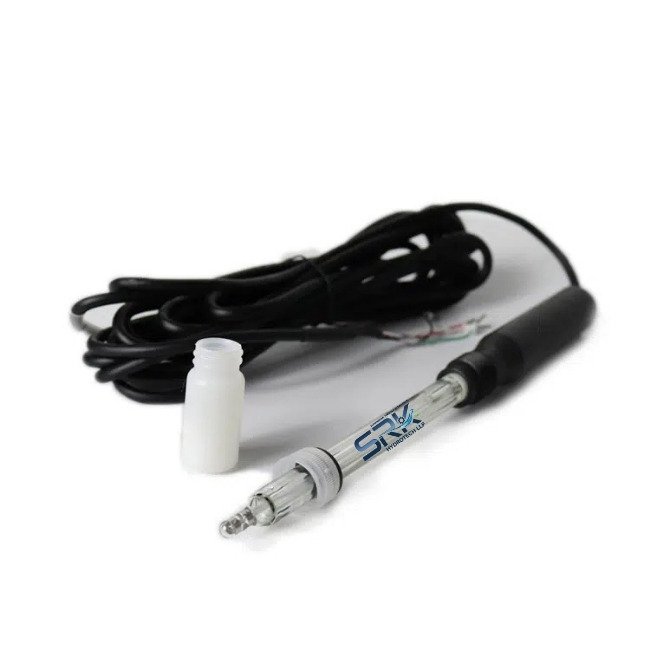
Pool Residual Free Chlorine Sensor
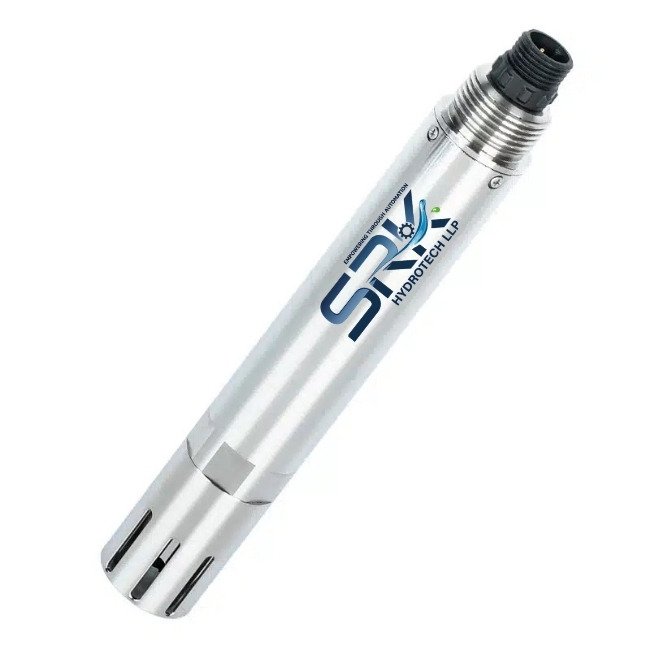
Chloride Ion Selective Electrode
Applications
- Drinking Water Treatment Plants: Monitor the residual chlorine content of water leaving the plant and moving through the pipe network to ensure water quality and safety.
- Swimming Pools: Control residual chlorine concentration in pool water to maintain water quality and hygiene.
- Food Processing Industry: Monitor residual chlorine levels in process water and cleaning water to ensure food safety.
- Industrial Water Systems: Monitor residual chlorine content in cooling water and boiler water.